article / April 9, 2024
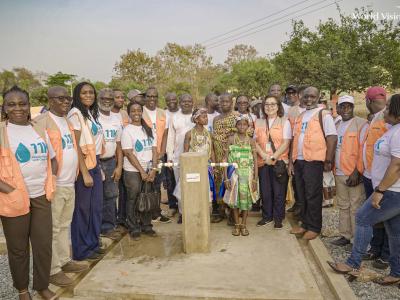
The Joint World Vision and VisionFund Ghana Field Trip to Fantseakwa AP.
The Boards of World Vision Ghana and VisionFund Ghana embarked on a three-day field visit to the Fanteakwa North and South District to observe ongoing impact activities undertaken by World Vision Ghana and VisionFund Ghana in the area.
article / January 22, 2024
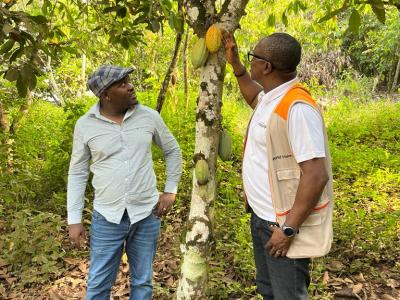
Growing Deep to Reach Wide: Inside VisionFund Ghana’s Agricultural plan
Ghana’s agricultural landscape is impressive. A diversity of crops and favourable climatic conditions have enabled a vibrant agricultural sector and a seeming abundance of food in many rural areas.
article / December 11, 2023
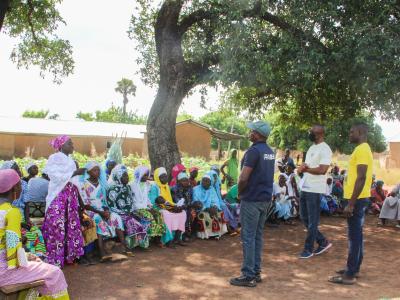
Ministry of Finance Field Visit to VSLA Linkage Project Sites in Northern Ghana
The Ministry of Finance Project Coordination Unit Team embarked on a field visit to monitor the VSLA (Village Savings and Loan Association) linkage activities under the Ghana Financial Sector Development Project (GFSDP) in the Northern and Savanah Regions of Ghana.
publication / February 13, 2024
State of the Practice: Savings Group Linkages 2024 Report
The 2024 State of the Practice Report, a groundbreaking study in the realm of financial inclusion, delineates the contemporary landscape of linkages between informal savings groups and formal financial services.
publication / March 25, 2024
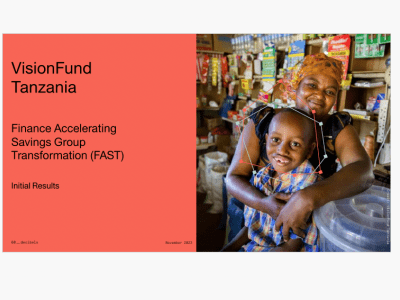
VisionFund Tanzania 60_Decibels FAST Initial Programme Client Survey Report
VisionFund commissioned 60_Decibels to conduct two impact evaluations in Tanzania to determine if VisionFund´s FAST programme – lending to savings groups, accomplished its main programme objectives:
publication / October 12, 2023
VisionFund Ghana: 60Decibels FAST Initial Study
VisionFund commissioned 60 Decibles to conduct two impact evaluations (an initial and follow-up study) in Ghana to determine if VisionFund's FAST program - lending to savings gorups - is accomplishing its main program objects:
publication / January 22, 2024
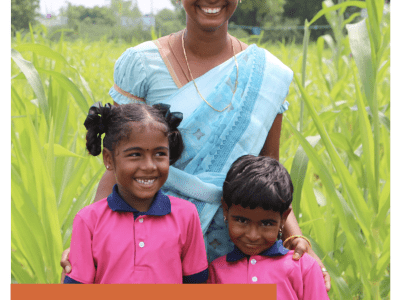
VisionFund FY23 Impact Annual Report
VisionFund is proud to release the FY23 VisionFund Impact Annual Report with data ending September 20, 2023.
publication / June 9, 2023
Savings Linked Insurance for Resilience: Ghana & Malawi Final Report - June 2023
For the past seven years, VisionFund has been actively designing microinsurance products tailored to meet the needs of the clients we serve. We believe microinsurance provides vulnerable individuals with the safety net they so often lack.